

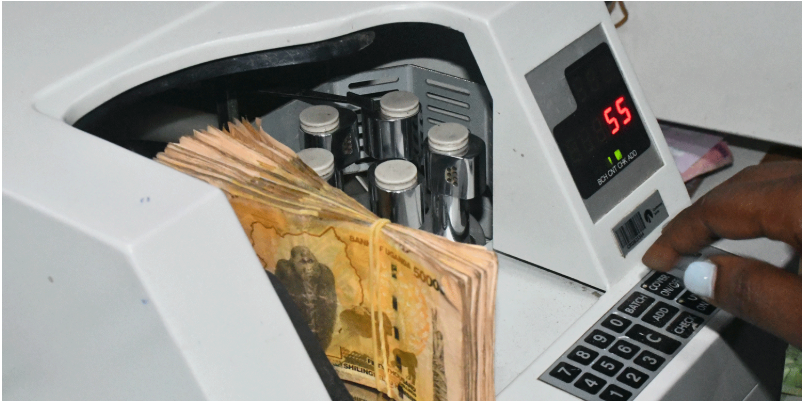
On May 29, 2026, the Bank of Uganda (BoU) issued Circular EEDNPS.306.2, signaling a determined push toward a cash-lite economy. Addressed to chief executive officers of commercial banks, credit institutions, and microfinance deposit-taking institutions, the directive introduces revised interbank cheque value limits and strict over-the-counter (OTC) cash withdrawal caps, effective January 1, 2027.
This six-month transition period is intended to allow stakeholders to adapt, but the policy’s success will ultimately depend on addressing a more fundamental challenge: deepening financial inclusion across the country. The circular forms part of the BoU’s broader e-payments strategy aimed at reducing reliance on cash and paper-based instruments. It halves several interbank cheque limits: Ugandan Shillings (UGX) from 10 million to 5 million, US Dollars from $2,750 to $1,375, Euros from €2,250 to €1,125, British Pounds from £2,200 to £1,100, and Kenyan Shillings from KSh 300,000 to KSh 150,000.
More significantly, it establishes daily and weekly OTC cash withdrawal ceilings. Individuals face a daily cap of UGX 50 million and a weekly cap of UGX 250 million, while corporate and business accounts are limited to UGX 500 million daily and UGX 2.5 billion weekly. Banks are required to implement robust, risk-based customer profiling to inform these limits, with exceptional approvals possible only after comprehensive due diligence. The BoU is also directing supervised financial institutions to proactively promote digital alternatives such as Real-Time Gross Settlement (RTGS), mobile banking, and internet platforms.
This move reflects a global trend among central banks to modernize financial systems, curb illicit flows, and improve efficiency. In Uganda’s context, where cash still dominates large segments of the economy, the policy carries both considerable promise and notable risks. Its ultimate impact will hinge less on the strictness of the caps and more on whether the country can rapidly expand access to inclusive, reliable digital financial services. The merits of the BoU’s approach are clear and compelling. Cash-intensive economies incur high costs in handling, transportation, security, and insurance.
Large cash transactions also create opportunities for money laundering, tax evasion, and corruption. By capping withdrawals and cheque values, the policy aims to channel more activity through traceable electronic systems, which are generally faster, cheaper for many transactions, and better aligned with effective monetary policy transmission. Enhanced data from digital payments can improve credit assessment, support formalization of businesses, and boost government revenue through better tax compliance. For a country aspiring to build a modern, digital-first economy, these measures send a strong signal that the future lies in electronic rails rather than suitcases of cash. The six-month transition, combined with commitments to public awareness campaigns and ongoing industry consultation, shows an awareness that abrupt change could be disruptive.
However, the demerits and potential unintended consequences deserve equal attention. Many sectors of Uganda’s economy, particularly agriculture, artisanal mining, informal trade, and rural commerce, remain heavily cash-dependent. These activities often occur in areas with limited banking infrastructure, where digital connectivity is unreliable and trust in formal systems is still developing. Tight weekly caps, even at relatively high nominal levels, could constrain legitimate business operations during peak seasons such as harvest or commodity trading.
Businesses may face increased administrative burdens, higher effective costs from multiple smaller transfers, or liquidity challenges if digital systems experience outages. There is also a risk that some activity could shift to unregulated channels, undermining the very transparency the policy seeks to promote. The most critical concern is the relationship between this cash-lite ambition and the state of financial inclusion. Uganda has made impressive strides in mobile money penetration, with platforms like MTN MoMo and Airtel Money reaching millions of users. Yet inclusion remains shallow for many. A substantial portion of adults, especially in rural areas and among women, still lack meaningful access to formal financial services. For these citizens, cash is not a preference but a necessity driven by geography, literacy levels, infrastructure gaps, and the nature of their livelihoods.
Imposing restrictions on cash before these foundational gaps are closed risks exacerbating financial exclusion rather than resolving it. True financial inclusion goes beyond opening transaction accounts. It requires reliable electricity and internet coverage, widespread digital literacy, affordable and user-friendly products, robust consumer protection against fraud, and systems that work for small-scale, irregular incomes typical of the informal economy. Rural connectivity remains patchy, cybersecurity concerns persist, and many potential users still harbor understandable distrust of digital systems following past experiences with network failures or fraud.
Without accelerated progress on these fronts, the new limits could disproportionately burden smallholder farmers, traders, and small businesses that form the backbone of Uganda’s economy. The policy’s emphasis on risk profiling and exceptional approvals offers some flexibility, but implementation will test both banks and the regulator. Financial institutions will need to invest in enhanced systems, staff training, and customer education. The BoU must monitor for unintended effects and stand ready to adjust thresholds based on real-world feedback.
International experience provides mixed lessons. Kenya’s success with M-Pesa was built on deliberate inclusion efforts and private sector innovation that preceded aggressive cash restrictions. India’s demonetization, by contrast, highlighted the dangers of moving faster than infrastructure and inclusion could support. For Uganda’s cash-lite strategy to succeed, financial inclusion must move from being a parallel objective to a central enabler.
This means coordinated action across government, regulators, telcos, fintechs, and commercial banks. Investments in rural digital infrastructure, expanded financial literacy programs, tailored products for agricultural and informal sectors, and gender-sensitive approaches are essential. Public awareness campaigns during the transition period should not only explain the new limits but also actively demonstrate how digital tools can solve real problems for ordinary Ugandans; faster remittances, safer savings, and easier access to credit. The BoU’s ambition is forward-looking and necessary for long-term economic modernization.
Reducing cash dependency can lower costs, enhance security, and position Uganda better in the regional and global digital economy. Yet ambition without adequate groundwork risks short-term pain without proportional long-term gain. The six-month window before January 2027 offers a vital opportunity for collaboration, infrastructure upgrades, product innovation, and targeted inclusion initiatives. Ultimately, Uganda’s journey toward a cash-lite economy must be paced by the realities of financial inclusion.
The new limits are a bold policy lever, but levers work best when the underlying foundation is solid. By prioritizing deeper inclusion alongside digitization – ensuring that digital financial services are accessible, trusted, and beneficial to all segments of society – the Bank of Uganda and its stakeholders can transform this circular from a potential source of disruption into a catalyst for genuinely inclusive growth. The coming months will reveal whether Uganda’s financial system is ready not just to limit cash, but to replace it meaningfully for everyone.

Leave a Reply